
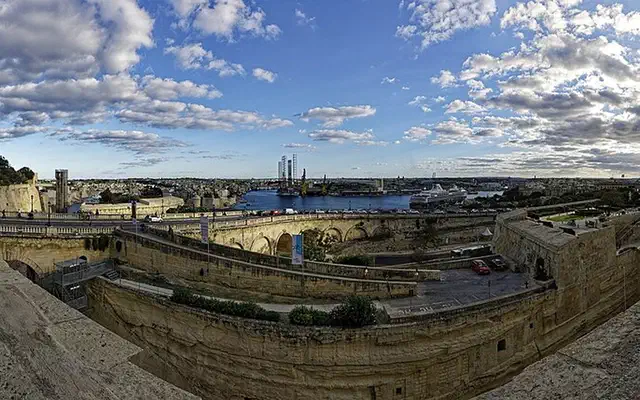
Malta Schengen Visa – Essential Travel Guide and Requirements
Planning a trip to Malta? A Schengen visa allows you access to Malta and 28 other European countries. This guide outlines all the key requirements and steps for your Malta Schengen Visa application.
Why Visit Malta?
Malta is known for its historical sites, beautiful coastline, and vibrant culture:
Tourism: Explore historical sites like Valletta (opens in new tab), scenic beaches in Gozo (opens in new tab), and the culture of Mdina (opens in new tab).
Business: Malta has thriving tourism, finance, and gaming sectors, with business centers in Valletta and Sliema.
Malta Schengen Visa Requirements
To apply for a Malta Schengen Visa, you’ll need:
Visa Application Form: Complete and sign the official form.
Photograph: A recent passport-size color photo with a white background that meets Schengen visa photo requirements (opens in new tab).
Passport (Original and Photocopy):
Must be signed by the passport holder.
At least 2 blank pages for visa purposes.
Valid for at least 90 days beyond the planned return date from the Schengen Area.
Issued within the last 10 years as of the date of departure from the Schengen Area.
Extended passports (older than 10 years) are no longer accepted, even if they remain valid. In this case, applicants must first apply for a new passport.
Photocopies of previous Schengen visas endorsed in an old passport and issued in the last three years, if applicable.
- Proof of UK Residence:
Printed proof of immigration status with a share code from GOV.UK (opens in new tab).
Proof that you have at least one month of residency in the UK remaining after your planned exit from the Schengen area.
- Proof of Current Occupation:
For Employed Applicants:
An Employer Letter on company letterhead, original, recent (less than 1 month old), signed (not digitally), addressed to the Mission, with the name and position of the signee, confirming the applicant’s employment.
OR last 3 months’ pay slips.
For Students:
An original letter from a UK school/college/university, recent (less than 1 month old), signed, addressed to the Mission, with the name and position of the signee, confirming the applicant’s enrollment.
For Self-Employed Applicants:
An original letter on company letterhead, recent (less than 1 month old), signed, addressed to the Mission, confirming self-employment. If applicable, this letter must be obtained from:
Accountant: if the company’s accounts are handled by an external accountant.
Solicitor: if the company was registered by a solicitor.
Bank Manager: if the company holds a business bank account.
Companies House Certificate: Certificate of Incorporation; if the applicant’s name does not appear on the certificate, additional documentation proving the applicant’s connection to the company is required.
For Unemployed/Retired Applicants Receiving Benefits:
An original letter from the local Job Centre or Pension Service.
For Housewives/Househusbands (only applicable to married couples):
Sponsored by spouse/registered partner. Required documents include:
Marriage certificate (original and copy); if issued outside the EU and not in English, it must be translated by a certified UK translator.
Spouse/partner’s passport (original and copy).
Spouse/partner’s proof of occupation (employer letter, student letter, or self-employment letter as described above).
Spouse/partner’s proof of funds.
Spouse/partner’s cover letter, signed and dated, confirming sponsorship.
- Proof of Sufficient Funds for Stay:
Latest 3 months of UK bank statements showing:
The applicant’s name and address.
An end balance dated within the month of application submission.
If employed, statements should be from the account in which salary is deposited.
Balance must reflect a minimum of £48/day of stay in the Schengen Area plus any outstanding accommodation and travel fees.
Statements must be stamped by a local branch. Statements from online banks like Monzo or Revolut are accepted.
Travellers’ Cheques covering the same amount as above.
- Proof of Travel (Airplane, Train, Boat, Coach, (Hired) Car):
Flight Tickets: Provide fully paid and confirmed flight tickets with:
Applicant’s name exactly as it appears on their passport.
Inbound and outbound travel dates to/from the Schengen Area.
Airline Reservation Code and E-Ticket Number.
If the itinerary includes multiple layovers, all tickets must meet these requirements.
Holiday Packages: If paid in installments, submit proof that at least 75% of the total cost has been paid at the time of application.
Provisional Tickets: Applications submitted with provisional flight tickets, partially paid bookings, or reservations through a non-UK-registered travel agency will be deemed invalid and may lead to application refusal.
Traveling by Car:
Submit car registration and insurance documents, return travel tickets (ferry or Eurotunnel) showing the car’s registration number, and the driver’s license.
If the applicant is not the driver, provide a driver’s cover letter (signed and dated), confirming joint travel with the applicant and travel dates.
Traveling Through Multiple Schengen Countries:
Submit all relevant transportation tickets between Schengen countries to confirm the full travel route.
- Proof of Accommodation:
Confirmed Accommodation Reservation: Provide a reservation (hotel, hostel, camping, etc.) that includes:
The applicant’s name and surname.
Travel dates.
Accommodation address details.
Travel Health Insurance: Must show the applicant’s name, have coverage of at least €30,000, be valid in all Schengen countries, and cover the entire period of intended stay in the Schengen area. The insurance must be obtained from a company based in the United Kingdom or a Member State.
Proof of Business Invitation (for business trips):
A recent (not older than 1 month), signed Invitation Letter from a company or business in Malta. The letter must:
Confirm the purpose of the visit.
Include travel dates.
Specify any arrangements for accommodation and travel, if applicable.
When to Apply for a Malta Schengen Visa
Submit your application at least 15 days before your intended travel date and no earlier than 6 months before departure. Early application helps avoid delays and ensures sufficient time for processing.
Processing Time
Minimum Processing Time: The standard processing time for a visa application is 3 weeks. Applicants are advised to plan ahead, ensuring there is ample time between their appointment date and travel date to allow the Mission to process the application. Please note that no guarantees can be given regarding the exact return date, as delays may occur.
Complete Application: To avoid any delays, it is crucial that the application is complete and that all required documents meet the Mission’s specific requirements.
Peak Season Appointments: During peak seasons (Easter, Summer holidays in July and August, and Christmas), appointments may become fully booked quickly, as the Mission processes a fixed number of applications daily. Applicants are encouraged to schedule their appointments well in advance during these periods to secure a spot.
Types of Malta Schengen Visas
- Short-Stay Visa (Type C): Suitable for tourism and business visits, valid for up to 90 days within any 180-day period across the Schengen zone.
Malta Schengen Visa Fees
Consulate Fee: €90 for adults.
Children (Aged 6–11): €45.
Children Under 6: Free.
VFS Center Fee: £27.38.
Courier Fee: £26.82.
Premium Lounge Fee: £87.5.
Frequently asked questions
Can I visit other Schengen countries with my Malta visa?
How long does visa processing take?
Can I extend my Schengen visa in Malta?
Is it possible to work in Malta with a Schengen visa?
Can I study in Malta on a Schengen visa?
What should I do if my visa is denied?
What if I’m visiting multiple Schengen countries?
Are confirmed travel plans required?
What is the earliest date I can apply for a Schengen visa?
You can apply up to 6 months in advance of your intended travel date.
To apply for a Malta Schengen Visa, start your application here.